Oral exam
Clinical purpose
Assessment of mouth and teeth
Policy question
Are exam fees eligible under this benefit?

“Dental included” is too broad to answer what a pet dental bill will do under a policy.
Use these checkpoints to frame the literal question before reading the full guide.
Pet medical dental insurance can mean several different things: treatment of a dental injury, treatment of dental disease, or routine preventive dental care. Those categories may be handled differently. To evaluate a policy, classify the reason for the dental service and then check whether the exam, dental imaging, anesthesia, cleaning, extraction or other treatment is an eligible expense under that specific benefit.
The sections below show how to verify the answer and what can change it.
| Service | Clinical purpose | Policy question |
|---|---|---|
| Oral exam | Assessment of mouth and teeth | Are exam fees eligible under this benefit? |
| Dental radiographs | Imaging below the gumline or of tooth roots | Does the plan include dental diagnostics? |
| Anesthesia | Needed for many veterinary dental procedures | Is anesthesia eligible when the dental procedure qualifies? |
| Cleaning/scaling | Preventive or therapeutic depending on context | Is routine cleaning covered, scheduled or excluded? |
| Extraction/treatment | Treats diseased or damaged teeth | Does the underlying condition/event qualify? |
AAHA dental guidelines describe veterinary dentistry as a clinical service that can involve examination, imaging, anesthesia and treatment. Insurance can still classify those expenses differently. The clinical need for a service does not, by itself, prove that it is an insured expense.
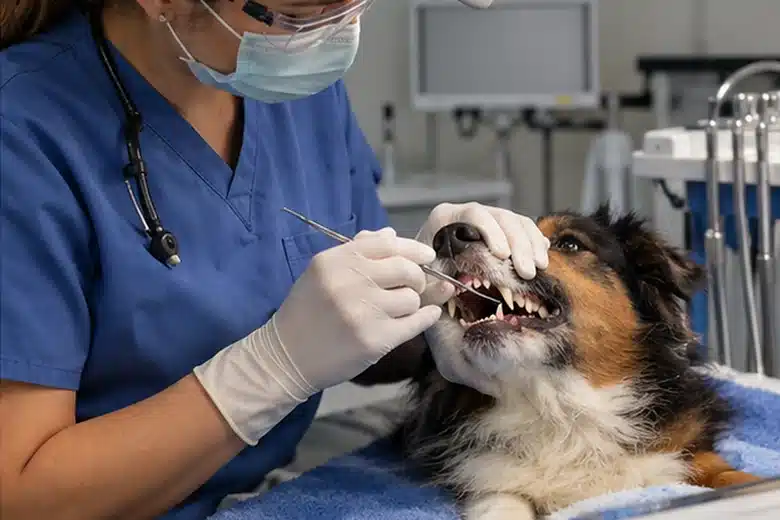
A fractured tooth from trauma and periodontal disease can sit under different policy language.
A cleaning performed as routine preventive care may be handled differently from treatment of diagnosed disease.
Even when treatment qualifies, the policy may address exams, imaging or anesthesia separately.
A scheduled routine-care benefit may pay a fixed amount rather than operate like accident-and-illness insurance.
Keep policy terms, deductible, reimbursement and limits beside the quote so the comparison stays consistent.
If a plan offers a dental-cleaning allowance through a wellness benefit, compare the annual cost of the add-on with the maximum scheduled benefit and the other routine services you expect to use. An unused allowance is not automatically carried forward; verify the actual schedule rather than assuming rollover.
Professional dental guidelines explain what good veterinary dental care can involve. The policy and benefit schedule decide which of those expenses are reimbursable.
No. Routine cleaning should be checked under the applicable wellness or preventive benefit, if any.
Do not assume so. Check the policy’s eligible-expense language for anesthesia and related fees.
They help identify the real clinical components of dental care so each component can be checked against the contract.
Keep the policy terms beside the price, then continue to rates when the comparison is clear.